Tag: active volcanoes in Costa Rica
5 National Parks You Can Visit from Tamarindo
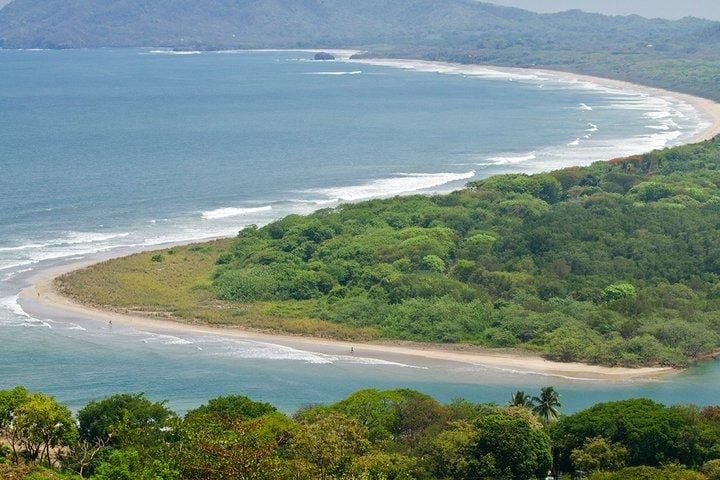
Guanacaste, the province where Tamarindo is located, is home to at least seven national parks, chosen and protected for their historical significance, natural beauty, ecological diversity, habitat importance, and varied flora and fauna. You may have heard of a few of them, but we’ll bet there are at least a couple you haven’t.
And while we couldn’t fit them all on this list of the best national parks in Costa Rica – part two coming soon? – we’re happy to share five of our favorite must-visit national parks in Guanacaste, all within day-trip distance from Tamarindo and our Guanacaste vacation rentals.
Las Baulas National Marine Park
Drive Time: About 30 to 40 minutes
Recommended Experience: Turtle Tour or Playa Grande Day Trip

You may have heard that Las Baulas National Marine Park, located just across the estuary from Tamarindo, is one of the world’s largest nesting sites for leatherback turtles. These are the world’s largest sea turtles and, depending on which conservation list you consult, they’re considered vulnerable, endangered, or very much at risk. Either way, they’re to be protected, not only because they’re extraordinary, but because they’re incredibly important to both Costa Rica’s and the planet’s ecosystems.
And here, just a few hundred yards from Tamarindo, along the shores of Playa Grande, Playa Ventanas, and Playa Carbón, as well as acres of inland mangrove forests, Las Baulas hosts these gentle giants, along with beautiful sand, sun, swimming, and spectacular surf. Playa Grande is especially beloved for beginner-to-intermediate waves, including fast-breaking lefts and rights, with a few barrels, peaks, and long rides thrown in for good measure.
The Wondrous Leatherback Turtle
Did you know that leatherback turtles are the largest sea turtles in the world and the fourth-largest of all reptiles? They come in fourth only to three crocodilians, which gives you a pretty good idea of how big they are. Some people even call them the Earth’s last dinosaur, since the species has lived for millions of years and outlived even the last of the dinosaurs. Pretty impressive for a six-foot-long, 1,500-pound turtle that can dive as deep as 3,900 feet, where the pressure is so intense that a human would implode!
When to Visit
Las Baulas National Marine Park makes for a great visit any time of year, thanks to its scenic coastline and mangroves. But if you’re here for the leatherbacks, your best chances are during nesting season, which typically runs from October through March. Keep in mind that you’ll need to take an official nighttime turtle tour to see the leatherbacks nesting.
Rincón de la Vieja National Park
Drive Time: About 2 hours
Recommended Experience: Las Pailas Sector, Volcano Hike, Waterfalls, and Hot Springs
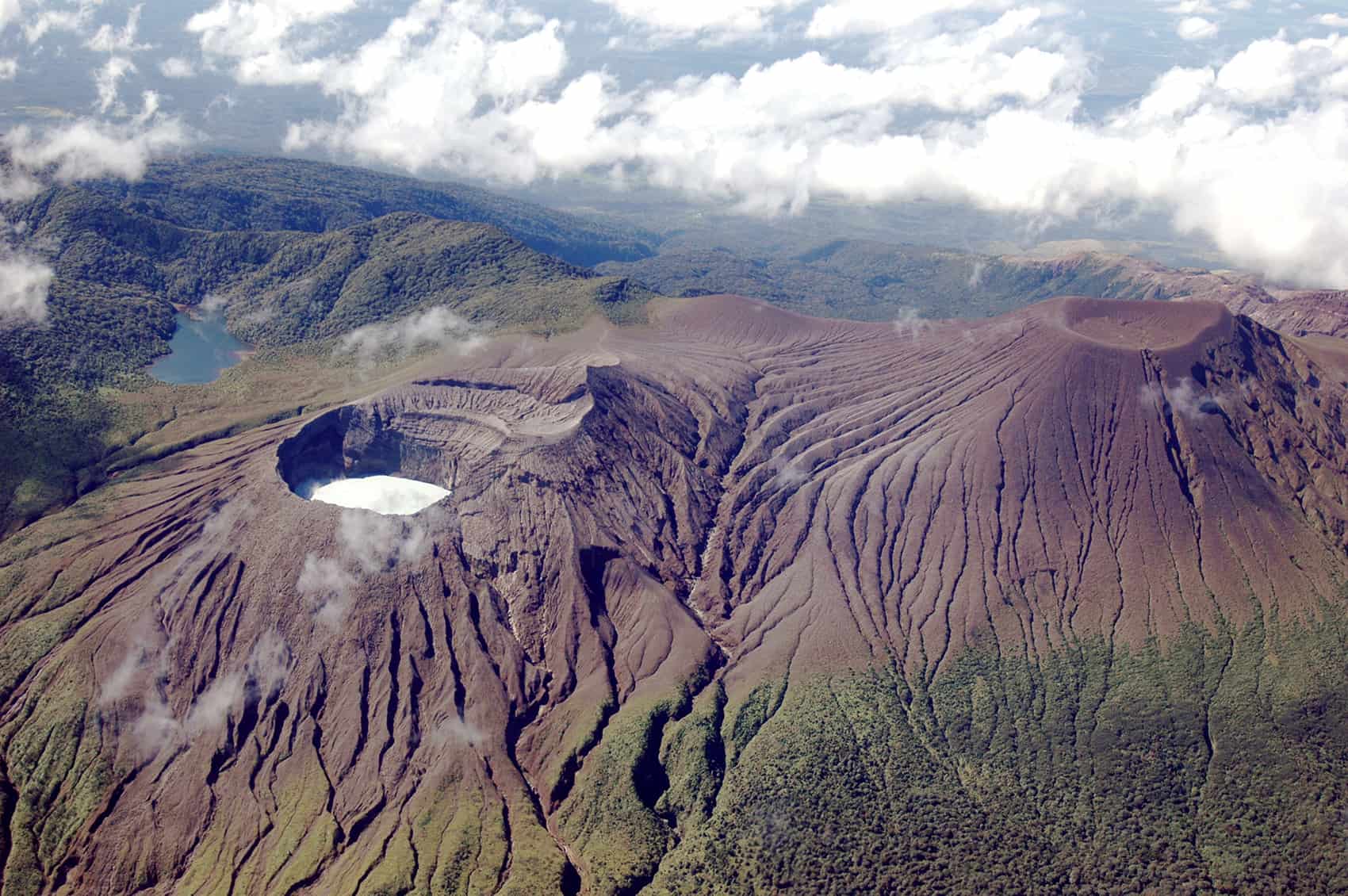
We like to think of Rincón de la Vieja National Park as the one with a fiery heart and a watery outer layer. Because at its true heart – and by that we mean deep within the earth – Rincón de la Vieja is an active volcano that produces one of Costa Rica’s steamiest (and absolutely jaw-dropping) attractions.
Here, you can get up close and personal with still-active volcanic vents, which is one of the hottest and coolest things we’ve ever done. We’re talking boiling mud pots, volcanic rivers, cold-water waterfalls, scrubland, cloud forest, and a whole host of ecosystems and microhabitats that support incredible flora and fauna.
What makes it even better is that Rincón de la Vieja is still just off-the-beaten-path enough that you may only meet a handful of other visitors in the park. So, you’re not bumping elbows, you’re not lining up for a 5-second look at anything. You really do get the sense that you’ve stepped into this incredible volcanic wonderland almost on your own.
Spotlight on Las Pailas Sector
Rincón de la Vieja is too large to see in a single day, so if we had to make one recommendation, we’d point you toward the Las Pailas sector and the park’s most popular loop. Here, you can see:
· Boiling mud pots
· Steaming fumaroles
· A mini-crater, or volcancito
· Hot springs and volcanic vents
· Rivers and dry savannah
· Rainforest and cloud forest scenery
· Seasonal waterfalls and access to longer waterfall hikes
Santa Rosa National Park
Drive Time: About 2 hours
Recommended Experience: History, Dry Forest, Wildlife, and Remote Beaches

We love recommending Santa Rosa National Park, in part because it doesn’t always make the recommended lists… and we’ll never understand why. Costa Rica’s first national park, Santa Rosa is home to untouched beauty and wild nature, which is exactly what most people hope to experience in a national park.
Here, you’ll find rivers, rare tropical dry forest, rocky islands, sandy beaches, mangrove forests, and so much more, all of which creates a landscape home to beautiful plants and bucket-list wildlife, including howler monkeys and the white-tailed deer, a national symbol of Costa Rican wildlife.
Santa Rosa’s Historical Significance
Easily one of the best national parks in Costa Rica, thanks to its historic significance alone, Santa Rosa is one of Costa Rica’s most important national parks, with ample signage that details its cultural and historical significance.
Here, you’ll find La Casona Historic Museum, the park’s true point of interest and the real reason Santa Rosa became Costa Rica’s first national park. In a story all Costa Rican schoolchildren know, this is the site where U.S. filibuster William Walker and his army were defeated by a small group of Costa Ricans, a victory that helped protect Costa Rica’s sovereignty.
Flora and Fauna
Santa Rosa is incredibly historic, but there’s a lot of nature here too. National parks aren’t zoos, of course, so no sighting is ever guaranteed. But when you’re in a place as ecologically dense as Santa Rosa, you have pretty good chances.
Here, you’ll find 750-plus plant species, 100-plus reptile and amphibian species, 115-plus mammal species, and 4,000-plus butterfly and moth species. And then, of course, there are the 250-plus resident and migratory bird species. So grab your bucket list and your naturalist guide, and ready yourself for a great trip.
Palo Verde National Park
Drive Time: About 2 to 2.5 hours
Recommended Experience: Tempisque River Boat Tour and Birdwatching

Palo Verde National Park is always one of our top recommendations because of how rich a contrast it is. Here, some of Costa Rica’s most ecologically diverse and important wetlands cozy up to one of the planet’s most important swaths of tropical dry forest. It feels like a contradiction, but in Costa Rica, it’s not.
That’s because Palo Verde is both set within Guanacaste province and located along the Río Tempisque, which gives so much life to this otherwise arid region. Named for the green stick, or palo verde, that you find in so many Costa Rican wetland habitats, Palo Verde stretches just over 45,000 acres but is home to 15 distinct habitats. The result is deciduous forests and plains, wooded savannas, lagoons and marshes, saltwater mangroves, riverside forest, and so much more, creating an incredible oasis even in the dry season.
Birding at Palo Verde
Palo Verde is home to an incredible 300-plus bird species, including what is believed to be the greatest concentration of waterfowl and shorebirds in all of Central America. If the timing is right, up to a quarter million birds may reside here at any given time, making this birdwatching central and an incredibly important habitat for migratory and resident bird species.
Here, you could spot:
· Great egrets
· Anhingas
· Pink herons
· Snowy egrets
· Green-backed herons
· Roseate spoonbills
· Snail kites
· Blue-winged teals
· Northern shovelers
· Black-necked stilts
· Black-crowned night herons
· Cattle egrets
· Great curassows
· American wigeons
· Toucans
· Parrots
· Scarlet macaws
· And many more!
In addition, keep an eye out for:
· American crocodiles
· White-faced monkeys
· Howler monkeys
· White-nosed coatis
· Collared peccaries
· Armadillos
· Jaguarundis
· White-tailed deer
· And so much more!
Diria National Park
Drive Time: About 1.5 hours
Recommended Experience: Hiking, Birding, Forest Trails, and Seasonal Waterfall

You don’t hear a lot about Diriá National Park, and that’s part of its charm. This ever-developing national park is still a work in progress, but the progress it’s already made is pretty incredible.
To start, Diriá is an incredible dichotomy of hot, arid lowlands, home to rare tropical dry forest, that then climb nearly 6,000 feet in elevation to cooler temperatures and premontane tropical wet forest. In turn, that provides an incredible diversity of flora and fauna to appreciate as you wonder at the ever-changing landscapes. There are at least three trails through the park, which loop for anywhere from 30 to 90 minutes and pass seasonal Brazil Waterfall, a natural swimming hole, biking trails, lookout points, and more.
Flora and Fauna
One of the biggest reasons people visit Diriá National Park is because of its primary forest, sometimes called virgin forest, which is an incredibly rare type of forest in the world nowadays. Primary forest has never been cut, farmed, or otherwise changed from its natural state, which creates a very unique ecosystem that can’t be replicated, even in the oldest secondary forests. In turn, these primary forests create habitats unlike any other, with plant life that supports animal life in different ways than what we see in secondary forests.
Diriá is a pretty exhilarating visit for wildlife lovers because there are so many large mammals here, including white-faced monkeys, howler monkeys, coatimundis, anteaters, coyotes, boar, possums, and occasional jaguarundis.
The park is also a paradise for birdwatchers, who can keep their eyes peeled for:
· Turquoise-browed motmots
· Elegant trogons
· Collared aracaris
· Squirrel cuckoos
· Plain chachalacas
· Long-tailed manakins
· Broad-winged hawks
· Ivory-billed woodcreepers
· Barred antshrikes
· Olive sparrows
· Masked tityras
· Great kiskadees
· Banded wrens
· Stub-tailed spadebills
Where to Stay
If the best national parks in Costa Rica are on the docket, then where you stay matters. Our Guanacaste vacation rentals offer an easy home base, good concierge support, and enough space to come back dusty, happy, and very ready for the pool.
360 Splendor #501
Flamingo | 3 Bedrooms | 3 Bathrooms | Sleeps 6

360 Splendor #501 is a great fit if your national park plans are part of a broader Guanacaste vacation. Set on Flamingo’s north ridge, this ocean-view condo gives you a slightly quieter base, with Flamingo Beach, Marina Flamingo, restaurants, a supermarket, and ocean adventures all close by. It’s not in Tamarindo proper, but for travelers who like Flamingo’s calmer rhythm, that’s exactly the point.
After a day at Santa Rosa, Rincón de la Vieja, or Palo Verde, the condo is the kind of place that makes re-entry easy: ocean views from every bedroom, two private balconies, king beds, an ocean-view gym, a rooftop terrace, 24/7 security, and free golf cart shuttle service to Playa Flamingo, the supermarket, and the marina. A national park day may start with hiking shoes, but it can end very nicely with a sunset view and dinner close to home.
Tamarindo | 4 Bedrooms | 4 Bathrooms | Sleeps 8

Casa Howler is for travelers who want nature without leaving Tamarindo behind. Set inside Tamarindo Park, an eco-friendly gated community where most of the land remains untouched, this brand-new home gives you lush views, modern tropical design, and the kind of quiet that feels especially good after a day spent hiking, birding, boating, or bouncing along Guanacaste roads in search of wildlife.
The location keeps things easy: you’re about a 10-minute walk from Tamarindo Beach, a short walk from downtown, and just minutes from supermarkets and pharmacies. Guests also receive access to Langosta Beach Club, which adds a pool, restaurant, bar, fitness center, and direct beach access to the stay. Back at home, there’s a private pool, daily cleaning and laundry, breakfast preparation, cocktails and snacks until 2 p.m., and a dedicated concierge to help make the national park logistics feel much less like logistics.
Casa Laurel
Tamarindo | 7 Bedrooms | 7 Bathrooms | Sleeps 19

Casa Laurel is the big-group answer, and we do mean big. This brand-new Tamarindo mansion was designed for families, reunions, and multi-family trips that need real space, not creative sleeping arrangements and a prayer. With nearly 5,000 square feet, seven bedrooms, dedicated kids’ rooms, a movie and game room, a private pool, a plunge pool, and partial ocean views from select areas, the house gives everyone somewhere to land.
That matters when you’re planning national park days, because not everyone returns from a hike, turtle tour, or river safari with the same energy level. Some people will head straight for the pool. Some will want snacks. Some will disappear for a nap and reemerge at dinner like nothing happened. Casa Laurel absorbs all of that beautifully, with breakfast preparation, daily housekeeping, laundry, and concierge support included, plus the option to upgrade with airport transfers and a local culinary experience.
Ready to Explore Costa Rica’s National Parks and Guanacaste Vacation Rentals?
If the best national parks in Costa Rica already have you dreaming of turtle tours, volcanic mud pots, river safaris, tropical dry forest, and the kind of wildlife sightings you’ll talk about for years, then Tamarindo is a pretty excellent place to begin. From beachfront condos to spacious vacation homes with pools, terraces, and room for the whole crew, your rental can be more than where you sleep. It can be the home base that makes every national park day easier.
That just happens to be our concierge, Cris’s, specialty! She knows Tamarindo, Guanacaste, and the tours worth building a day around, from Las Baulas and Palo Verde to Rincón de la Vieja, Santa Rosa, and Diriá. Cris can help you sort through drive times, tour options, family logistics, and what actually makes sense for your group, your budget, and your vacation style.
It all begins with our welcome packet, which you’ll receive after booking. Have a look, start building your wish list, and then talk to Cris. She’ll help turn “we should do a national park” into the kind of day that actually works, hiking shoes, binoculars, snacks, and all. Get in touch and let’s get started!
Five Most Active Volcanoes In Costa Rica
Costa Rica is a land created by a string of active and dormant volcanoes that runs down its center. This guide will give you an overview of how to get to and what to expect from Costa Rica’s most dynamic volcanoes. Make sure to plan time during your vacation to visit the center of the country and experience the unforgettable presence of these living mountains.
The first three volcanoes on our list–Turrialba, Irazu, and Poas–are the closest to the capital city of San Jose. If you’re flying into San Jose, these are the top choices on your volcano menu. The other two–Arenal and Rincon de La Vieja–are further north and are more often visited by travelers who base their Costa Rica vacations in Guanacaste.
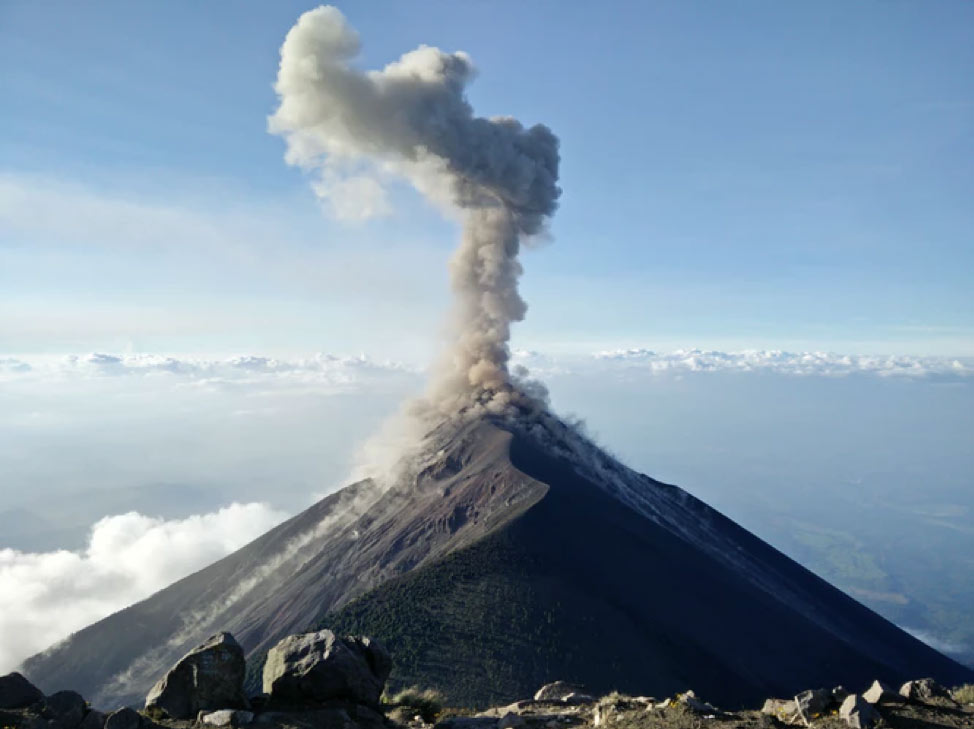
Photo by Gary Saldana
What is the most active volcano in Costa Rica? This is a great question! For thirty years, the easy answer was Arenal. Then in 2016, Turrialba suddenly woke up from a long slumber, and continued to rumble and spew well into 2017. Recently, a new spurt of volcanic activity was registered at the lazy Rincon de la Vieja volcano. So who knows which volcano will be the most active during your visit to Costa Rica? It could be any of them! Here’s a look at the five most fiery peaks.
Turrialba
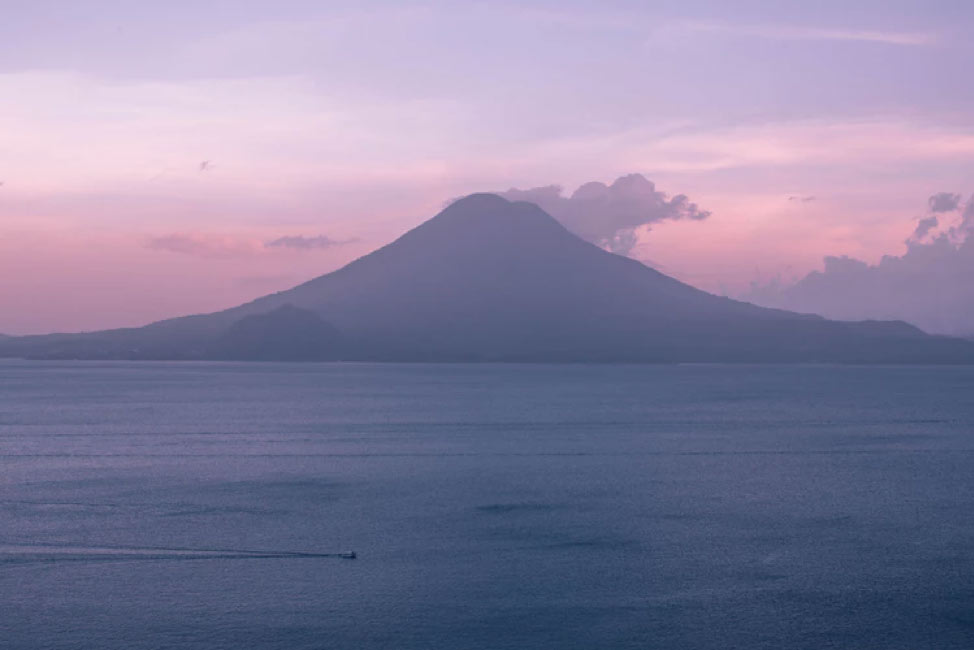
2019 just might be a great year for the national park at Turrialba. The park was closed in 2012 due to dangerous volcanic activity and authorities are looking at reopening it to the public this year. Eruptions of ash and gas in 2016 and 2017 powdered the central valley in gray dust and closed down the Juan Santamaria International Airport on several occasions. You’ll be able to drive close enough to Volcan Turrialba that you can admire its powerful slopes and perhaps watch it puff steam into the air.
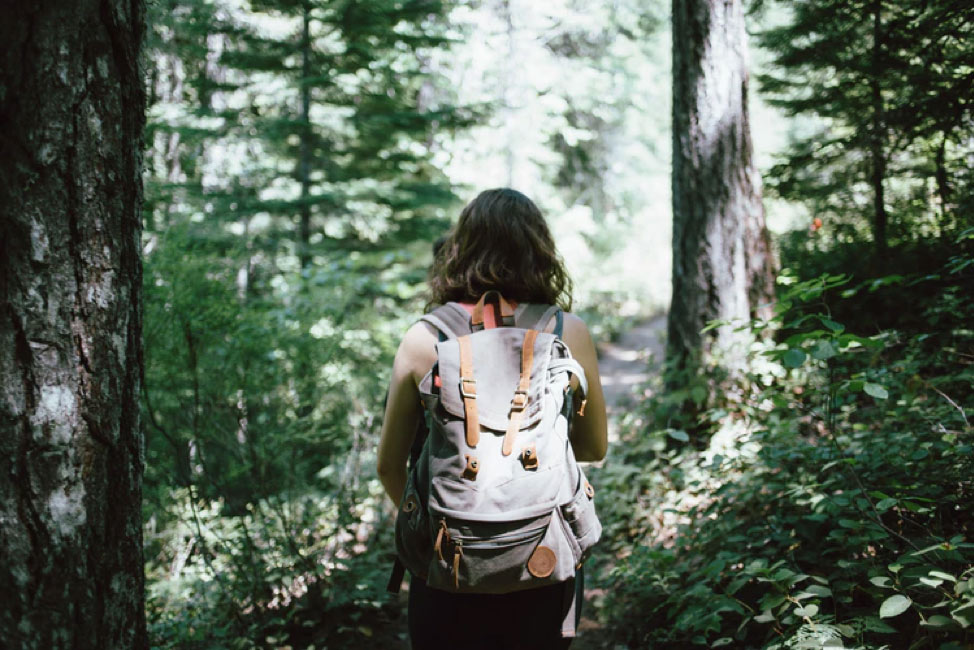
Whether or not the park is open, the Turrialba volcanic area is a beautiful and safe place to visit. The best way to get there is to hop in a 4×4 rental vehicle and hit the road for an adventure! You can enjoy hiking, mountain biking, horseback riding, zip lines, bird watching, go kayaking on the river and tour a cheese factory. The Turrialba region is known throughout Costa Rica for the soft fresh cheese that takes its name. The year-round rains and rich volcanic soil keep Turrialba’s grass green and its cows.
Irazu
Volcan Irazu is the closest volcano to the city of San Jose. It is possible to get to Volcan Irazu by driving, or by taking a public bus from downtown. Pack a picnic lunch, enjoy hiking in the park, and keep an eye out for sightings of colorful birds and wild animals like coatis, foxes, deer, and coyotes.
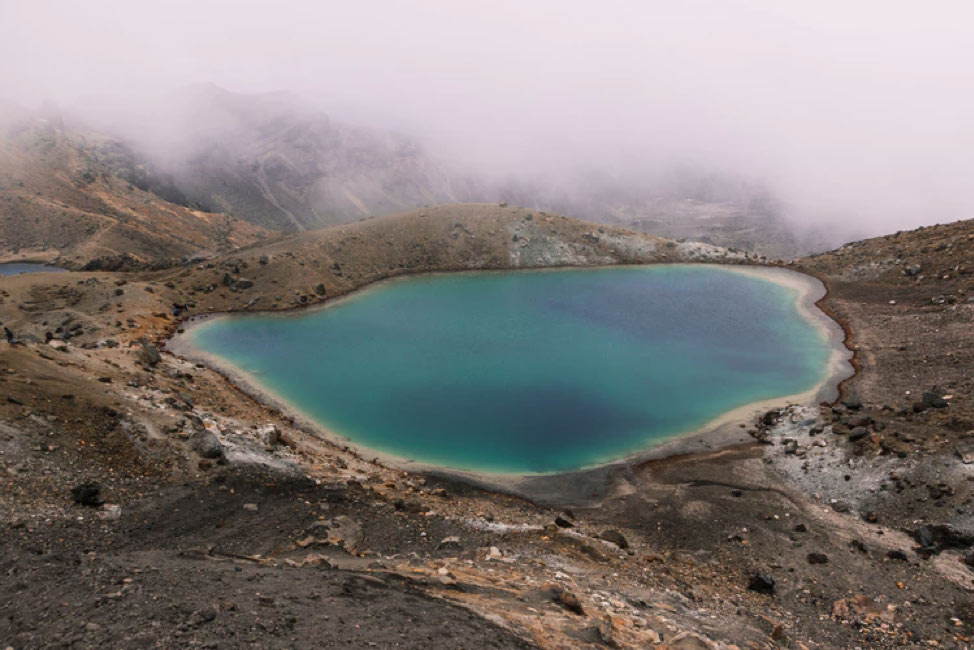
Volcan Irazu has five craters, two of which provide the main attractions in the Irazu national park. Steam rises from the deepest crater, and in the other lies a mineral-rich lake that can appear green, blue, or red. Irazu is Costa Rica’s tallest volcano, with a cone that towers 11,200 feet above sea level. On a clear day–which is a rare occurrence at the top of an active volcano– it is possible to see both the Atlantic and the Pacific oceans.
Poas
Volcan Poas is one of Costa Rica’s most popular and frequently-visited volcanoes. The national park that surrounds the cone and crater is prepared to provide you with a comfortable visit, including a geological museum, a gift shop and cafe, and even paved hiking trails to make the spectacle of the steaming lake in the crater accessible to a wide variety of visitors. In order to keep the environment pristine and visitors safe, only a certain number of people are allowed into the park each day. Make your Poas National Park reservations on-line ahead of time so that you can be sure to avoid being turned away at the entrance. That would be disappointing!
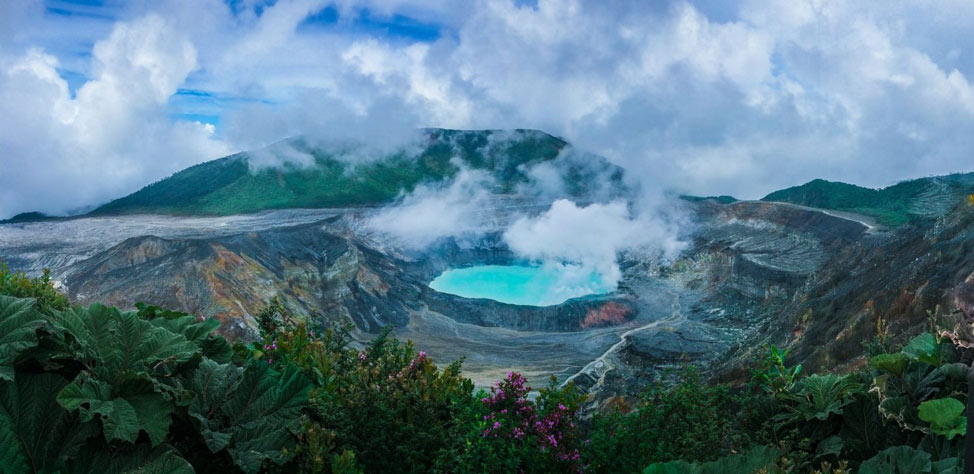
You can drive to Volcan Poas, take a bus, or purchase a tour from pretty much any San Jose tour operator. There are lots of other things to do in the area, so we recommend that you make your trip to Poas a day trip, not just a quick peek at the crater. In addition to hiking, visit the sleepy Costa Rican villages nearby, explore the museum, or drive to a bright blue waterfall near the park.
Volcan Poas has one of the largest volcanic craters in the world, so don’t miss your chance to see it with your own eyes.
Arenal
Volcan Arenal is located near the town of La Fortuna about half way between San Jose and the beaches of Guanacaste. For decades, Arenal was famous for being Costa Rica’s most active volcano–until its brothers in the central valley started spewing ash and steam in 2016. Arenal is still one of the most spectacular volcanoes you’ll ever have the opportunity to see and is one of the most fun areas to visit in Costa Rica. Hiking and horseback riding trails wind through the hills, there are waterfalls to explore, and natural thermal spring and rivers provide the perfect way to relax afterward.
Whatever you do, plan to spend a night in the area near Arenal! We recommend this for two reasons. The first is that if the clouds above the volcano lift after dark (could happen but no guarantees), the sight of the stark black cone with a red glow at the top standing against the star studded sky will leave you speechless. That, we do guarantee. The other thing that’s guaranteed is how much you will love relaxing in the bubbling thermal springs after dark, while lights play on the jungle foliage around you and perhaps a light rain falls.
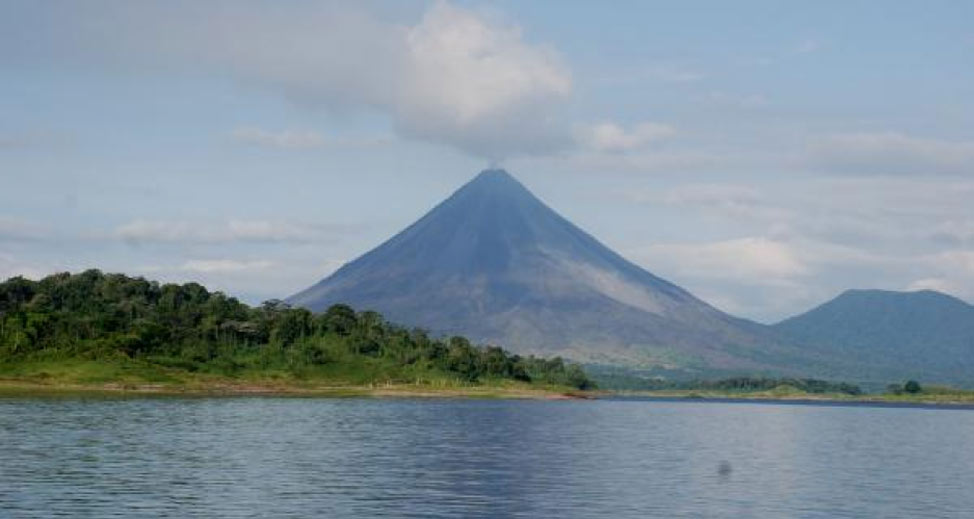
Arenal is much-visited, and it’s easy to drive to. Things are spread out enough there that having your own vehicle is very convenient. Another good option for how to get to Arenal is Interbus, a tour and transfer company that runs private vans to popular tourist destinations.
Rincon de la Vieja
Volcan Rincon de la Vieja is Costa Rica’s northernmost active volcano. Eruptions as recent as January 2019 sent columns of steam and bursts of red-hot rocks shooting into the air and filled the area’s streams with mud. This is the closest active volcano to Guanacaste’s popular coasts, and lots of activity centers have sprung up around it.
You can drive your rental car to Rincon de la Vieja, or purchase a day-trip package which includes transportation, admission to the activities that you’ve chosen for the day, and lunch.
You can hike at Rincon de la Vieja, ride horseback through the forest, and enjoy natural thermal mud spas. There are canopy tours nearby, river tubing excursions, and wildlife sanctuaries to visit.
As you can see, there are many active volcanoes in Costa Rica throughout various regions of the country. Our tour concierge is the local expert in helping you plan your visit to any of these areas, assisting you with arrangements for transportation and activity bookings at Costa Rica’s active volcanoes. Check out partner page for A Guide to Costa Rica’s Active Volcanoes: They’re Dynamite!

Quick Links
Contact
E-Newsletter
Copyright © 2026 Vacation Rentals of Tamarindo. All Rights Reserved. Web Design by InterCoastal Net Designs